

5 Best Text-to-Podcast (TTP) Platforms for Publishers
Smart publishers know that offering content in multiple formats isn't optional. The right text-to-podcast platform can turn your blog archive into a lucrative audio channel, reaching millions of podcast listeners worldwide who consume content during commutes, workouts, and daily routines.
So in this guide, we'll examine the five leading TTP platforms that publishers use to build successful podcasts. You'll discover how these platforms stack up on features that matter most, plus get a clear decision framework to identify which platform aligns with your publishing goals and monetization strategy.
TLDR:
Stop leaving money on the table. Your written content can pull double duty as audio, reaching podcast listeners during their commutes, workouts, and daily scrolls. The following text-to-podcast platforms each bring something different to the table.
- Trinity Audio: Monetization-focused with programmatic ads and wide distribution
- Speechify: 200+ voices, 60+ languages, highly customizable
- Podcastle: All-in-one studio for creating, editing, and hosting audio
- Descript: Edit audio by editing text (game changer for speed)
- ElevenLabs: Ultra-realistic, emotionally expressive AI voices
What Matters Most When Choosing?
Voice quality, automated content ingestion (RSS/API), multilingual support, editorial control, distribution to major platforms, and commercial rights.
Here’s The Bottom Line:
Don't wait for perfection. Pick a platform, convert your top-performing articles, measure listener response, and iterate.
Overview: Best TTP Platforms for Publishers
Key Features to Consider for a Publisher
When evaluating a platform, a publisher should focus on these aspects:
- Voice Quality and Realism: This is the most critical factor for listener engagement. Look for AI voices that sound human, with natural cadence and emotion.
- Automated Ingestion: The ability to automatically pull in new articles via an RSS feed, URL, or API, minimizing manual work. This is essential for a high-volume publisher.
- Multilingual Support: If you publish content in multiple languages, check for high-quality voices in those specific languages.
- Editorial Control: Can you easily review, edit, and adjust the generated audio? Look for text-based editing (editing the transcript automatically edits the audio), the ability to add sound effects, or adjust pacing.
- Distribution Integration: Does the platform generate a compliant RSS feed that can be automatically published to major podcast directories like Spotify, Apple Podcasts, and Google Podcasts?
- Commercial Rights: Ensure your plan includes full commercial rights to the generated audio, as you will be using it for business purposes.
Which TTP Platform Should You Pick?
Here are some decision-factors to guide you:
- Effort vs polish: If you want minimal manual work and high polish or if you prefer lightweight automation.
- Distribution: Ensure the platform supports RSS feeds (so your audio shows up on Apple Podcasts, Spotify etc) and whether you can push episodes automatically.
- Voice & brand alignment: Do you need a consistent host voice? Branded intro/outro? If yes, Adauris or Podcraftr might excel.
- Languages & localization: If you publish in multiple languages/regions, check support for multilingual audio.
- CMS/Workflow Integration: How easily can the tool plug into your publishing workflow (automatically convert each article when you publish, or require manual upload)?
- Monetization & analytics: If you aim to monetize the audio or track listener behaviour, compare analytics/ads support.
The 5 Best TTP Platforms for Publishers
The beauty of today's TTP landscape is that you don't need to commit to perfection from day one. You can start with your first option, test a few audio versions of your articles, and measure actual listener response.
As your audience grows and your needs evolve, you can always upgrade to a more powerful platform with advanced features like voice cloning, multi-language support, or advanced monetization tools. The key is to start capturing that audio opportunity now, then refine your approach based on real audience data.
Let's examine each platform's strengths and ideal use cases:
1. Trinity Audio
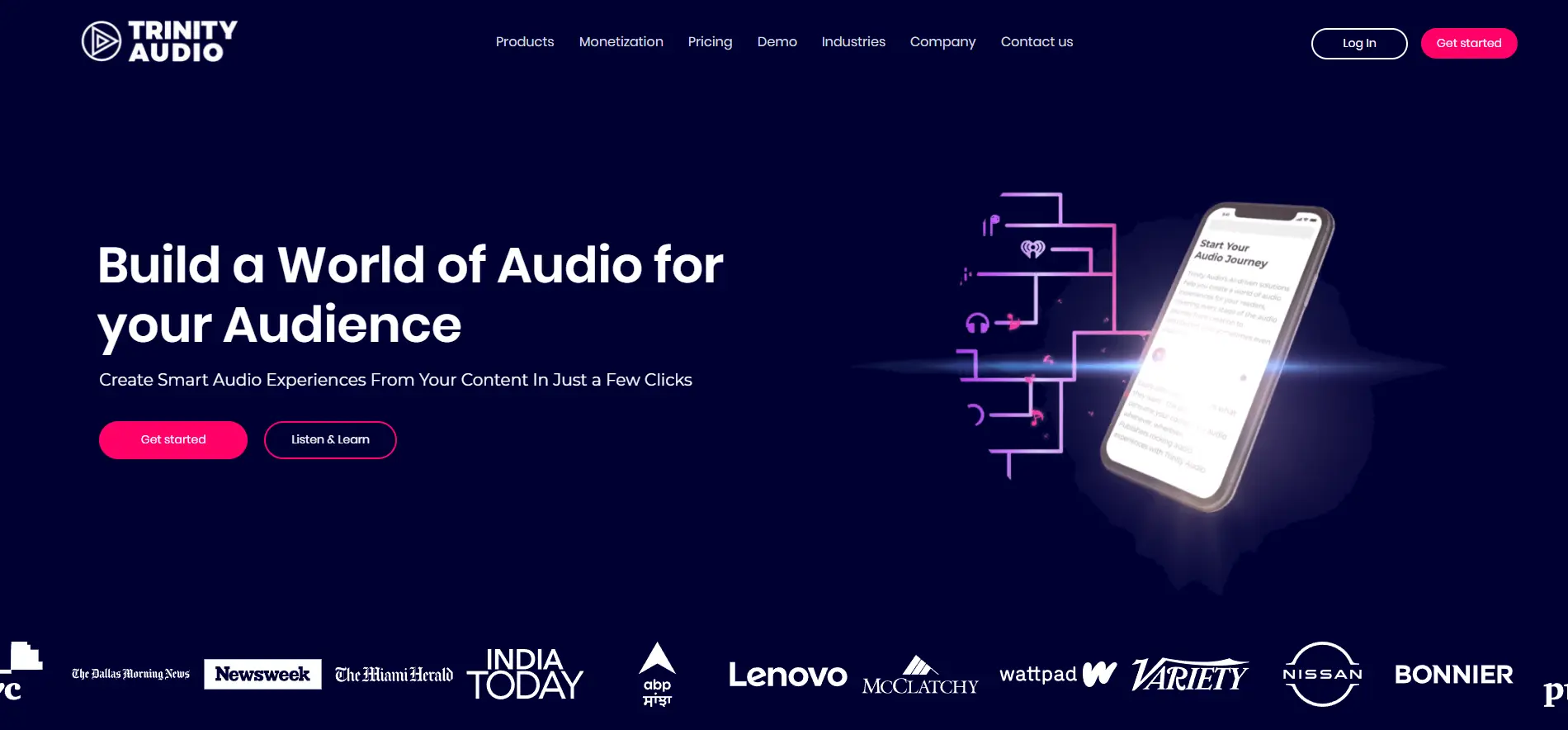
Trinity Audio is a content-first company with tech tools and solutions like their text-to-speech (TTS) platform that uses AI to convert written content into high-quality audio for digital platforms and websites. It helps publishers (like Fortune, Rolling Stone, Wattpad, Variety, Miami Herald and more) easily turn articles or blogs into podcast-style audio with natural-sounding narration.
Why It’s A Good Option
Trinity audio offers a variety of voice tones, styles, and languages to make podcast creation faster and easier for publishers. It uses AI-driven text-to-speech technology to automatically turn written content into human-like audio.
The platform provides a cost-effective and efficient way to repurpose blog content to reach wider audiences and enhance user experience. Audio can be distributed through platforms like Apple Podcasts, Google podcasts, and smart speakers for users who prefer audio over reading.
2. Speechify
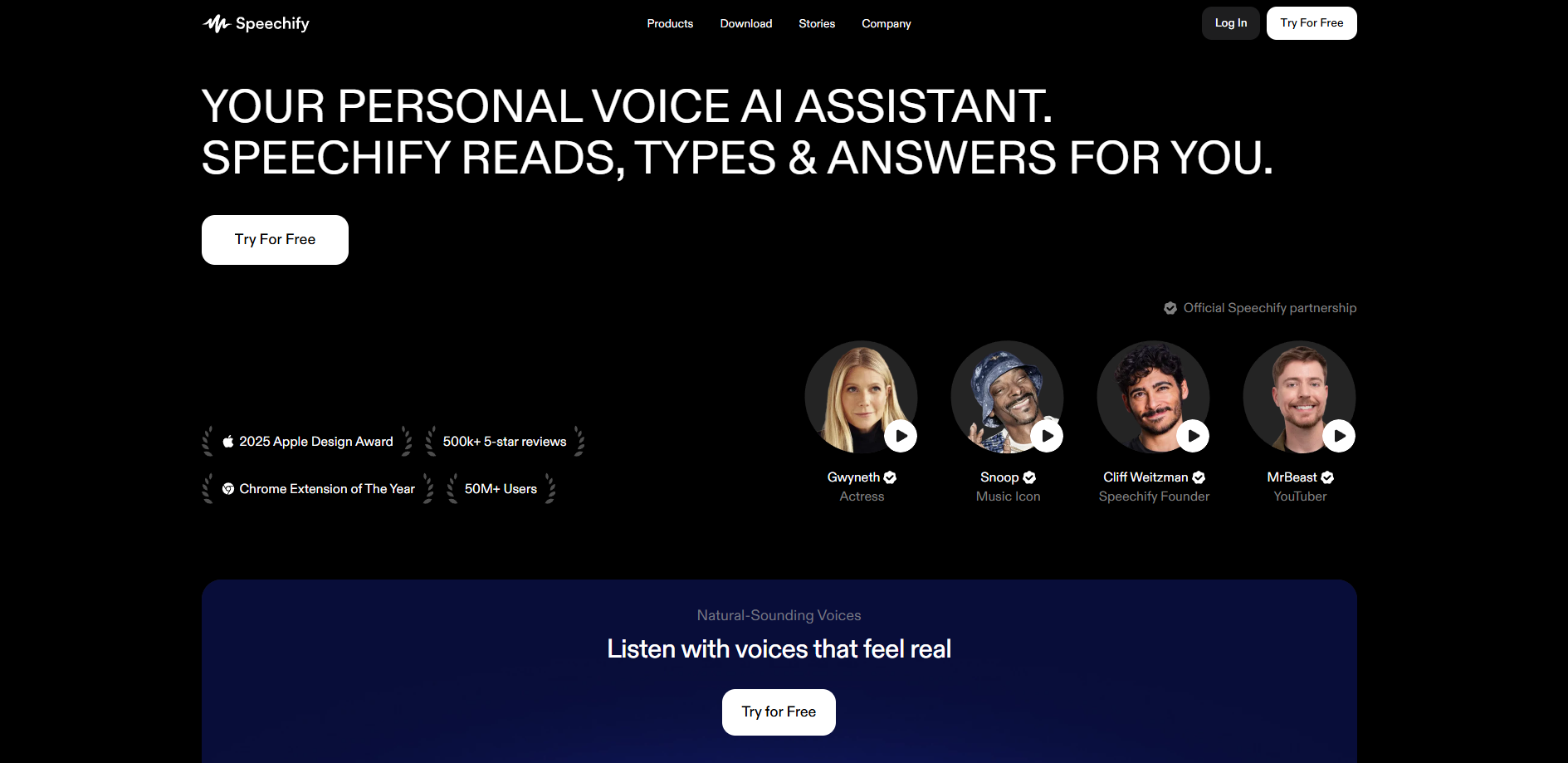
Speechify is a text-to-speech platform that converts text from PDFs, emails, and web pages into natural-sounding audio using advanced AI voice technology.
Why It’s A Good Option
Speechify combines quality, customization, and scalability. And the Speechify Studio feature allows users to create realistic AI voiceovers or custom voice clones to make podcast audio sound natural and professional.
The platform offers over 200 voices in 60+ languages and accents, along with options to adjust voice, speed, pitch, and emotion. It also includes a built-in pronunciation library that helps fine-tune delivery for accuracy and tone to produce consistent, engaging podcast-style content.
3. Podcastle
.webp)
Podcastle is an all-in-one platform for creating and editing audio and video content. It helps creators produce engaging podcasts and lifelike AI audio with a text-to-speech feature that converts written text into natural-sounding voice.
Why It’s A Good Option
Podcastle offers a large library of high-quality AI voices, voice cloning, and a Text-to-Speech editor that lets you paste your script and choose a voice that matches your style or brand.
It also allows you to record your own voice, polish the audio, remove awkward pauses, fix mistakes, and add background music or sound effects. The built-in audio and video editor, along with export options in MP3 or WAV formats, makes it easy to produce and publish professional-quality podcasts.
4. Descript
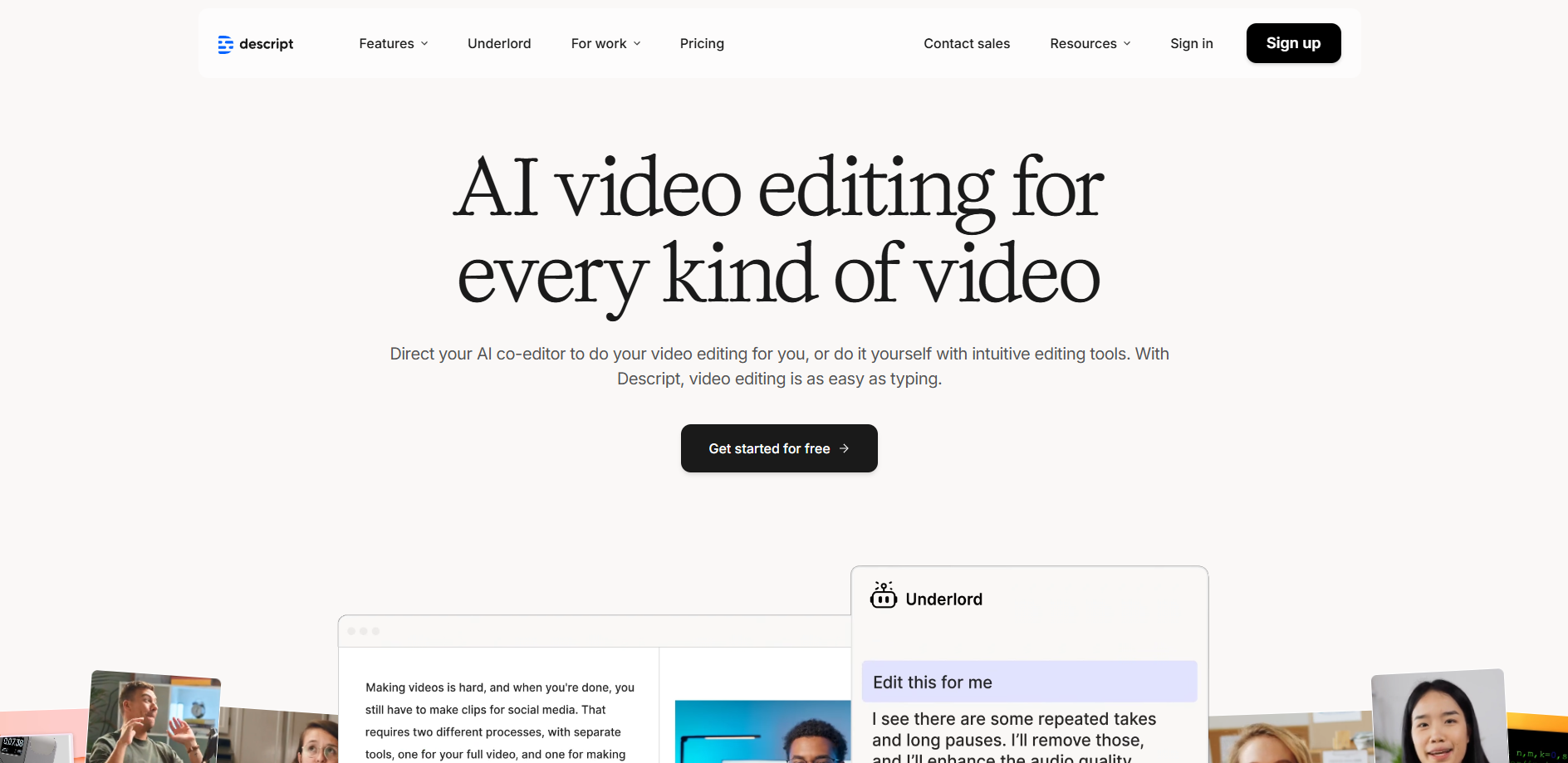
Descript is an AI-powered audio and video editing software that allows users to edit media by modifying its transcribed text. It also offers text-to-speech (TTS) features to create natural-sounding voices for projects such as podcasts, videos, and audiobooks.
Why It’s A Good Option
Descript combines AI-powered editing and voice generation in one platform. It simplifies podcast creation and repurposing by allowing users to edit audio through text, generate realistic AI voices, and remove filler words or background noise with features like Studio Sound.
The platform also provides tools to easily and efficiently convert written content into high-quality audio productions, along with features for creating captions, transcripts, and social media clips.
5. ElevenLabs
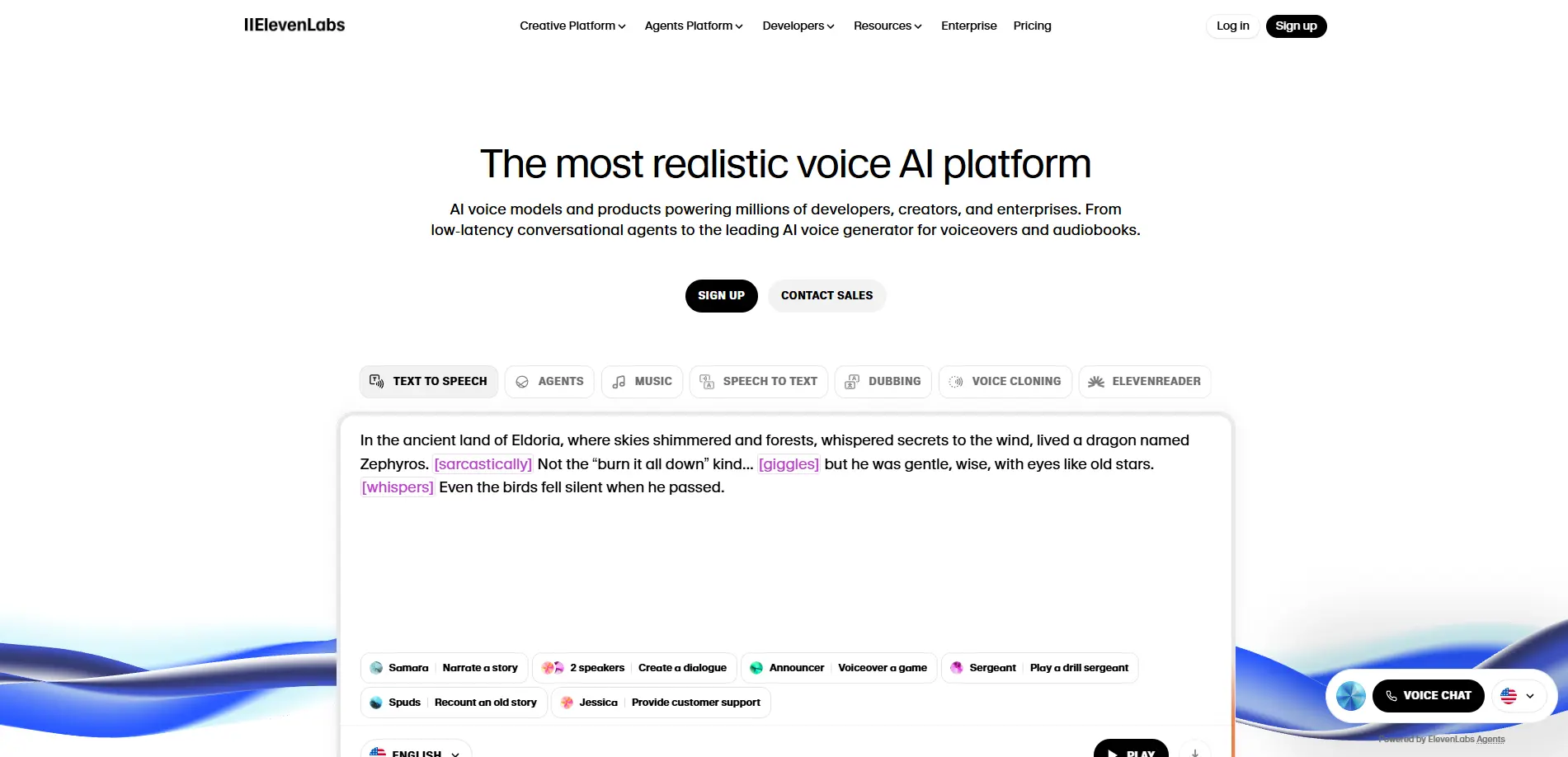
ElevenLabs is an AI-powered voice platform that generates and customizes human-like speech. It offers tools for text-to-speech, voice cloning, and building natural-sounding conversational AI agents.
Why It’s A Good Option
ElevenLabs uses deep learning technology to create natural and expressive AI voices. It offers a Multilingual V2 text-to-speech model that quickly transforms written content into high-quality audio, allowing users to easily turn blog posts into full podcasts.
The platform also includes tools like Voice Design for creating custom voices, Voice Isolator for cleaning up recordings, and a Studio suite for audio and video editing. On top of that, its emotional and contextual TTS API adapts to tone and meaning to ensure each podcast sounds authentic and engaging.
Conclusion
After examining these platforms, one truth is clear: the publishers who win are those who start now, not those who wait for the perfect solution. Whether you choose Trinity Audio's monetization-first approach, ElevenLabs' ultra-realistic voices, or Podcastle's all-in-one studio, you're positioning your content to reach the millions of listeners who prefer audio over text.
To make the right decision, consider your immediate needs:
- Do you need automated RSS ingestion to handle hundreds of articles?
- Are multilingual audiences crucial to your growth?
- Is monetization through programmatic ads your priority?
Your answers will point you toward the right platform, but remember that even a basic audio offering beats leaving money on the table by ignoring audio entirely.
Take action today. Choose the platform that best fits your current workflow, convert your top 10 performing articles into audio, and measure the response. Within 30 days, you'll have real data on listener engagement, completion rates, and potential ad revenue. That data will guide your audio strategy forward and help you capture your share of the rapidly growing podcast advertising market.
.png)

.png)