
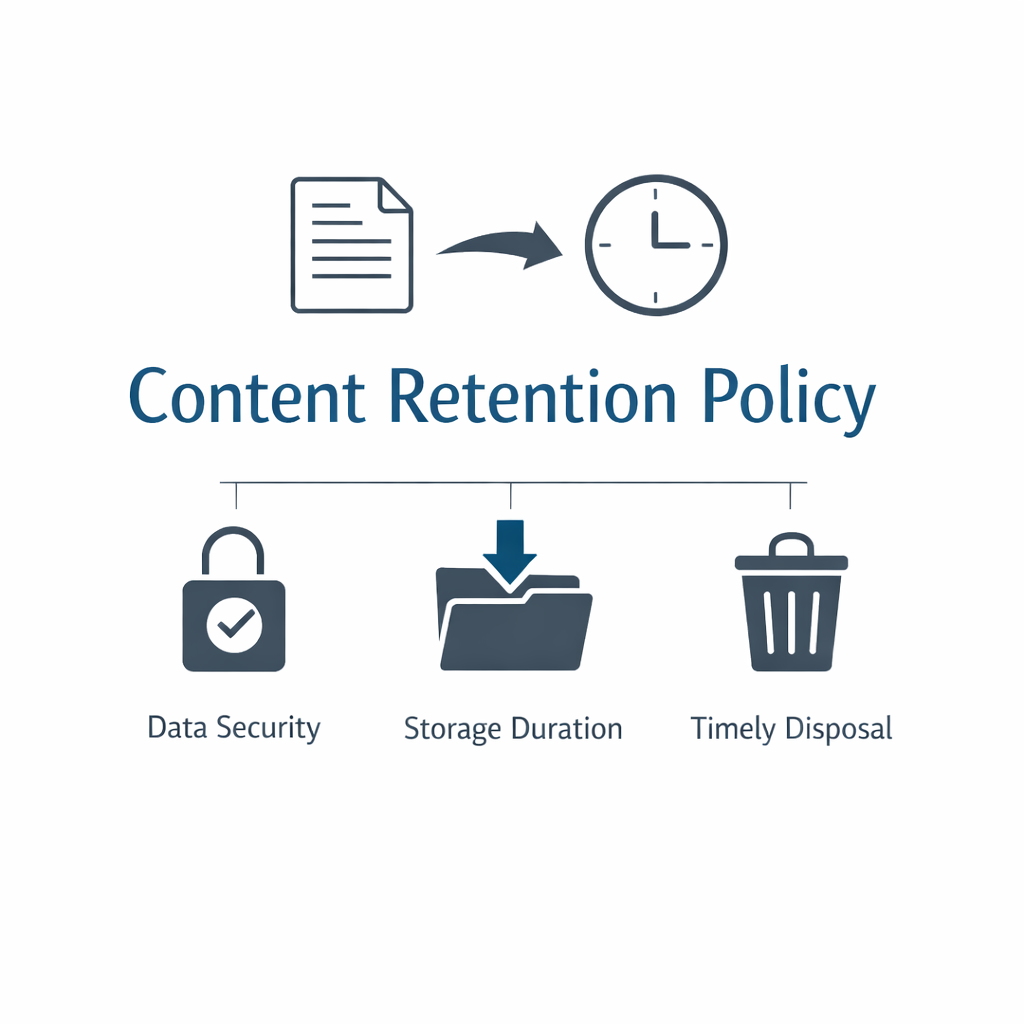
Starting October 1st 2025, we’re introducing a new Content Retention Policy across Trinity Audio. This change is part of our ongoing effort to improve performance, keep quality high, and ensure that every piece of audio your audience hears reflects the best our technology has to offer.
What’s changing
- Retention period: All generated audio will now be stored for one year.
- Regeneration on demand: After the retention period ends, if a listener plays older content, the audio will be automatically regenerated.
- Credits: Regeneration counts as a new creation and will consume a credit.
- Quality boost: The regenerated audio will always use our most up-to-date TTS technology, meaning your audience benefits from ongoing improvements in voice quality and naturalness.
Why we’re making this change
Over time, we’ve seen significant improvements in TTS quality across our engines. By keeping audio fresh and regenerated when needed, we ensure:
- Higher quality for listeners - content will always sound as good as possible.
- Efficient storage - we don’t keep outdated files forever, reducing unnecessary storage load.
What this means for you
- No action needed: Your content will continue to play seamlessly for users.
- Slightly higher credit usage: If your audience frequently plays older content, you may see increased credit consumption as those files are regenerated.
- Better experience: Listeners will always hear the latest and highest-quality voices we support.
When this takes effect
The new policy will be applied starting October 1st, 2025.
Summary
In summary, this update ensures your audio content stays fresh, leverages our latest TTS improvements, and maintains a seamless experience for your listeners. For any questions or to discuss your specific use case, contact us at support@trinityaudio.ai.
.png)

.png)